
Bicycle route (source: https://www.traseo.pl/).

One of several charming public squares featuring sculptures and fountains in Grudziądz.

Post office building in Grudziądz, dating back to 1883.


Nicolaus Copernicus, the man who stopped the Sun and set the Earth in motion. And now he is probably wondering what else to mess up.

One of the streets in Grudziądz's Old Town.

Complex of granaries by the Vistula, featuring the Water Gate in Grudziądz.

View of the Vistula River from the tower of the Teutonic Knights' castle in Grudziądz.

View of the Vistula River from the tower of the Teutonic Knights' castle in Grudziądz (the bicycle trail path is visible in the bottom right corner).

Vistula River, somewhere along the route.


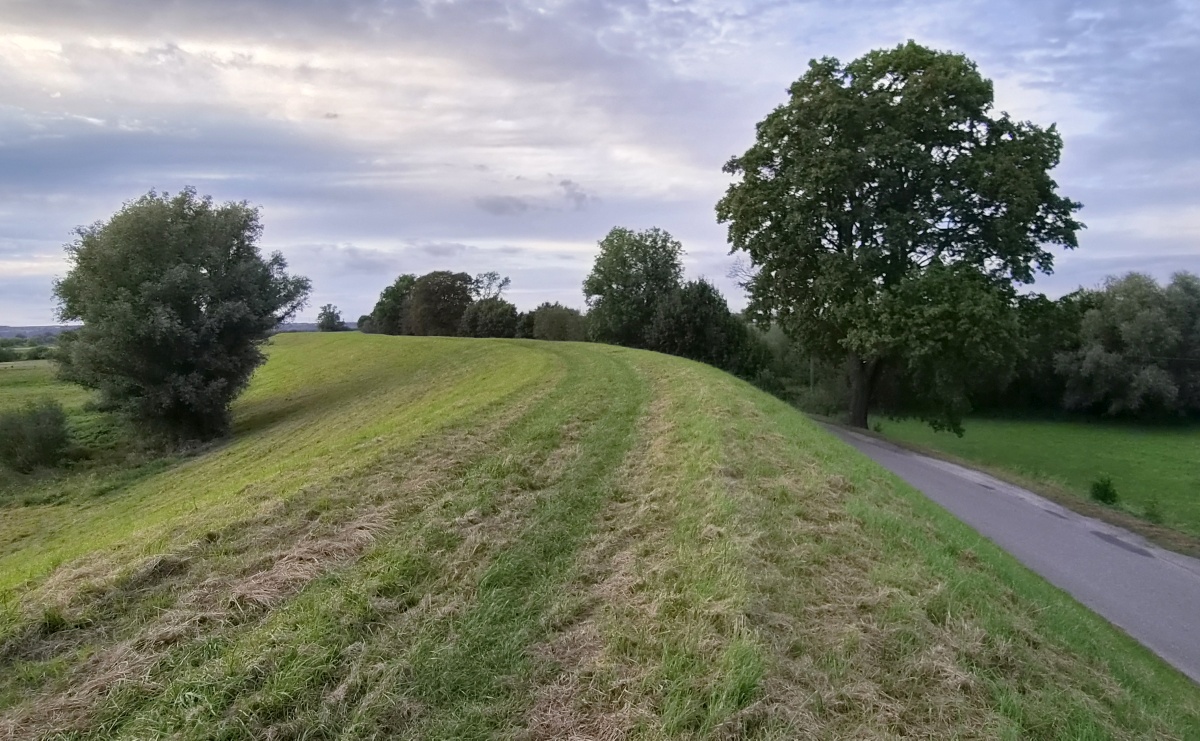
Bicycle route following a quiet asphalt road along the flood embankment.
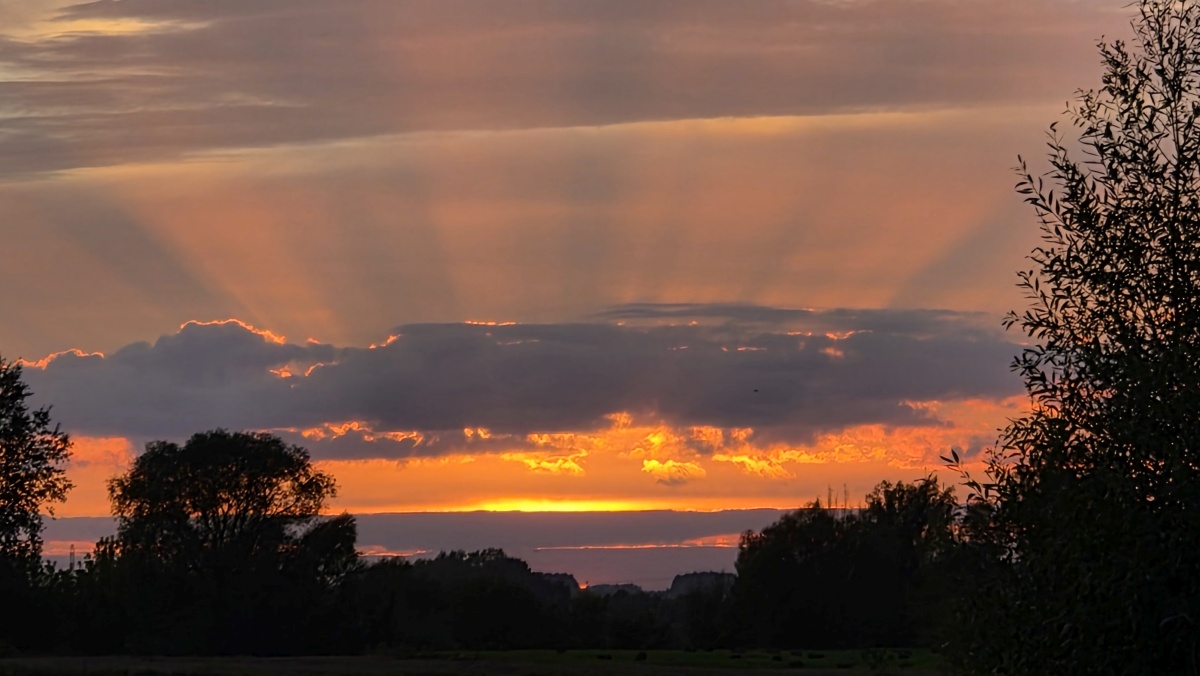
Sunset over the Vistula's floodplain.

Roasting sausages over a Finnish campfire, also known as a Finnish torch.


Roadside cottage on the cycling route.

One of several facilities for hikers and cyclists traveling along the Vistula flood embankments.

Castle of the Pomesanian Chapter in Kwidzyn.

Potato Festival in Mareza village. I think to come back here next year to taste again the potato cakes served at the stalls.

On this stretch, the cycling route ran along the crest of the flood embankment.

Another gold sunset on the banks of the Vistula.

In the evening, flocks of geese were calling loudly to one another. You could clearly sense they were slowly preparing for departure.

Another night of wild camping on the Vistula floodplain. Unfortunately, despite the sign on the tent, the geese didn't respect the request to turn down the volume on their "transmitters."
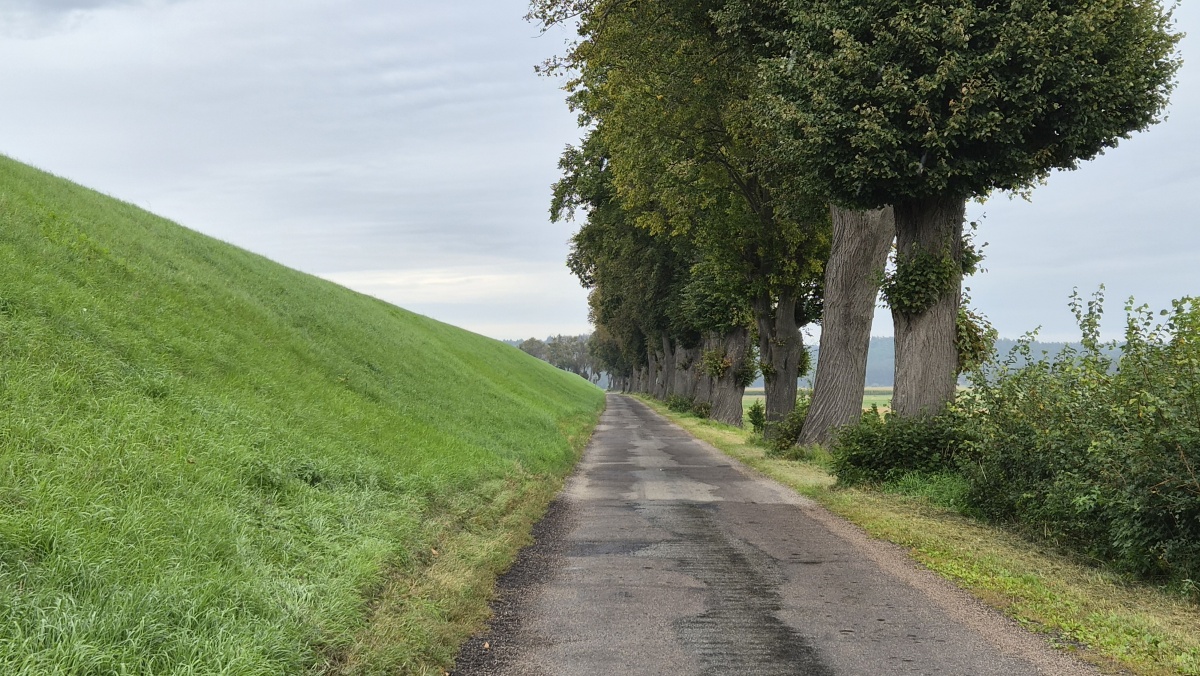
On this stretch, the bicycle trail followed a quiet asphalt road along the flood embankment.
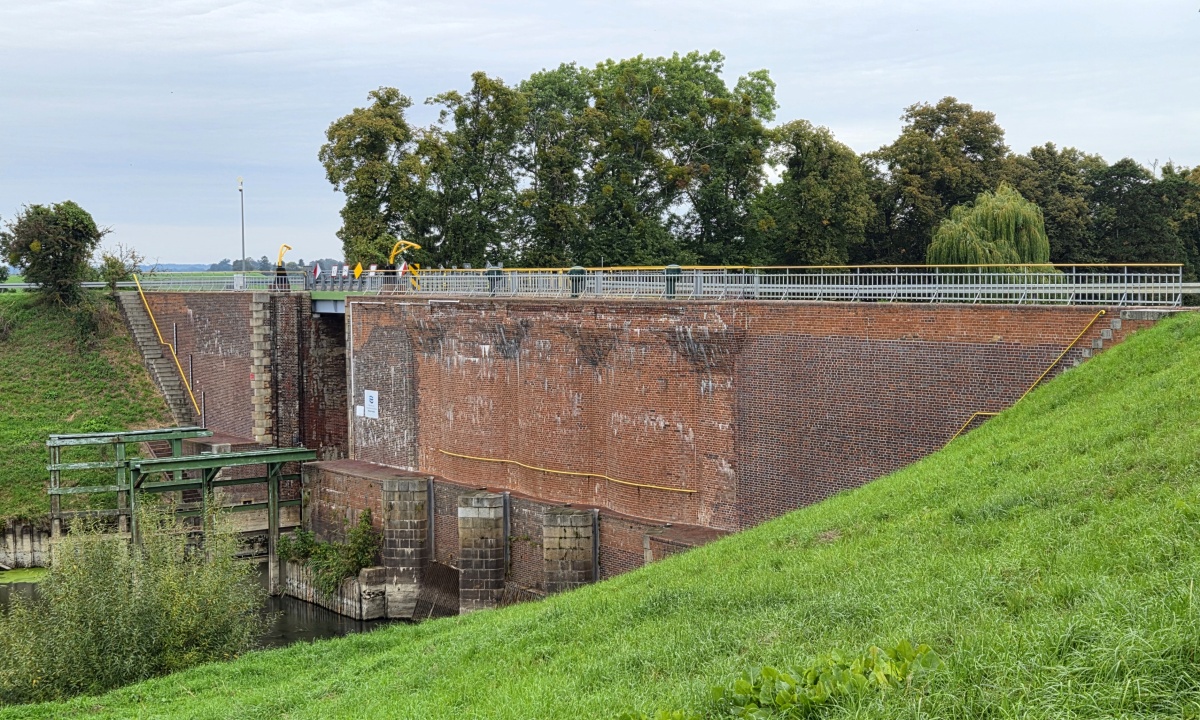
Lock at Biała Góra village, separating the waters of the main Vistula channel from the Nogat river.

Church in Piekło village (barely visible from this angle; only the top of the tower with the crest pokes out above the treetops).
By the way, Pieklo means hell in English. Yes, this is proof of the existence of a church in hell.

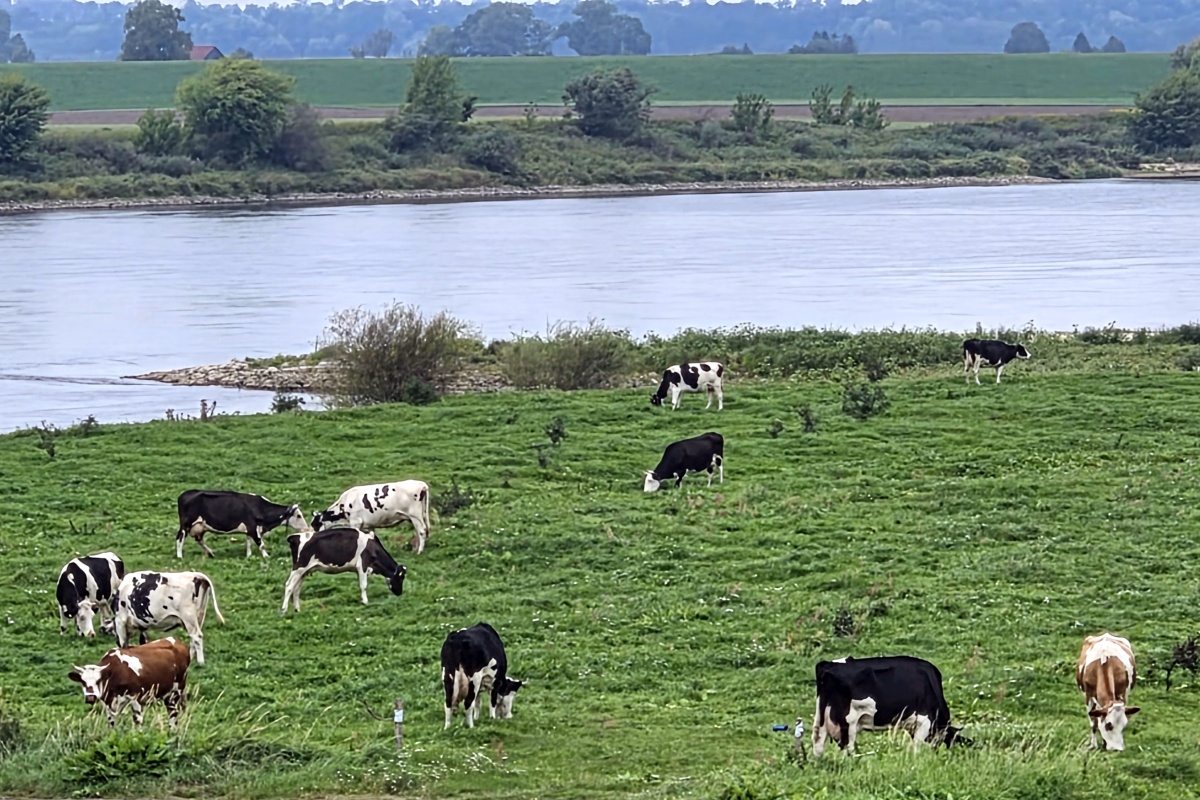
Increasingly rare sight in the Polish countryside. In the background, there is the left-bank flood embankment.


Roadside chapel in Mątwy Małe.
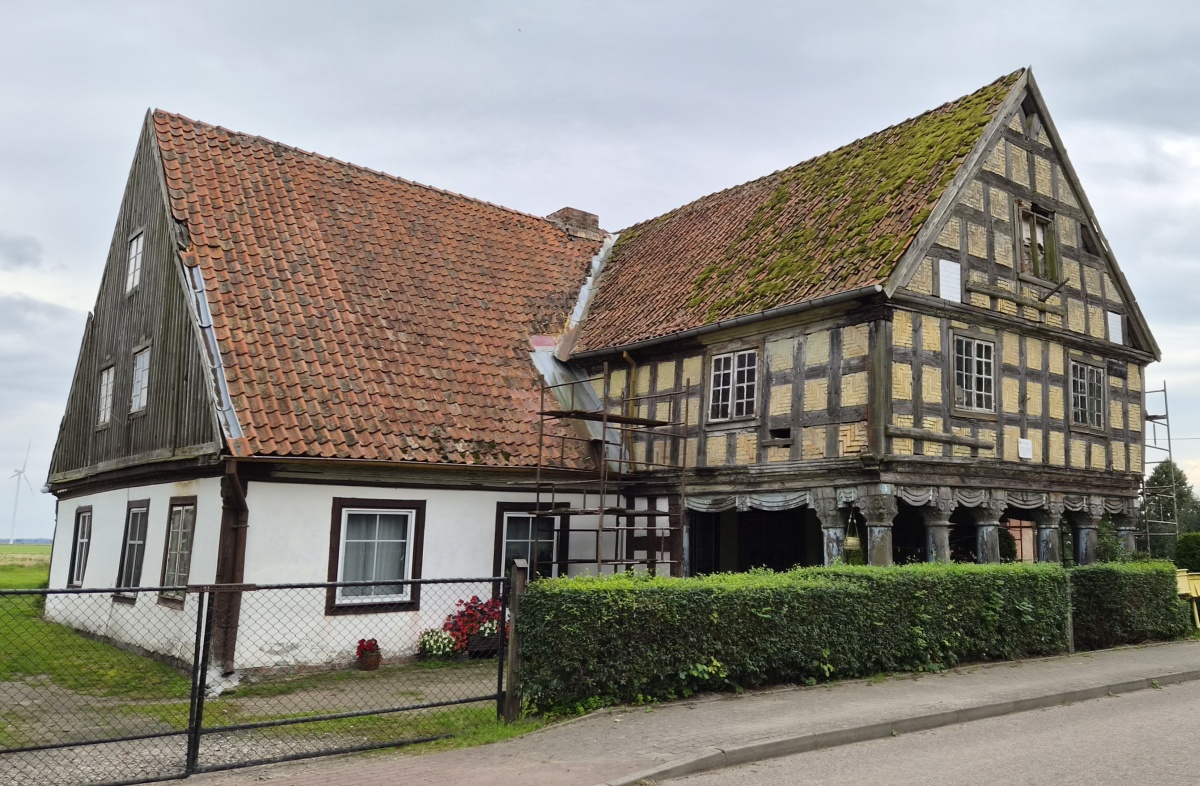
Former Mennonite house with an arcaded porch in Bystrze.

View of the Vistula from the road bridge on the Malbork – Tczew route.
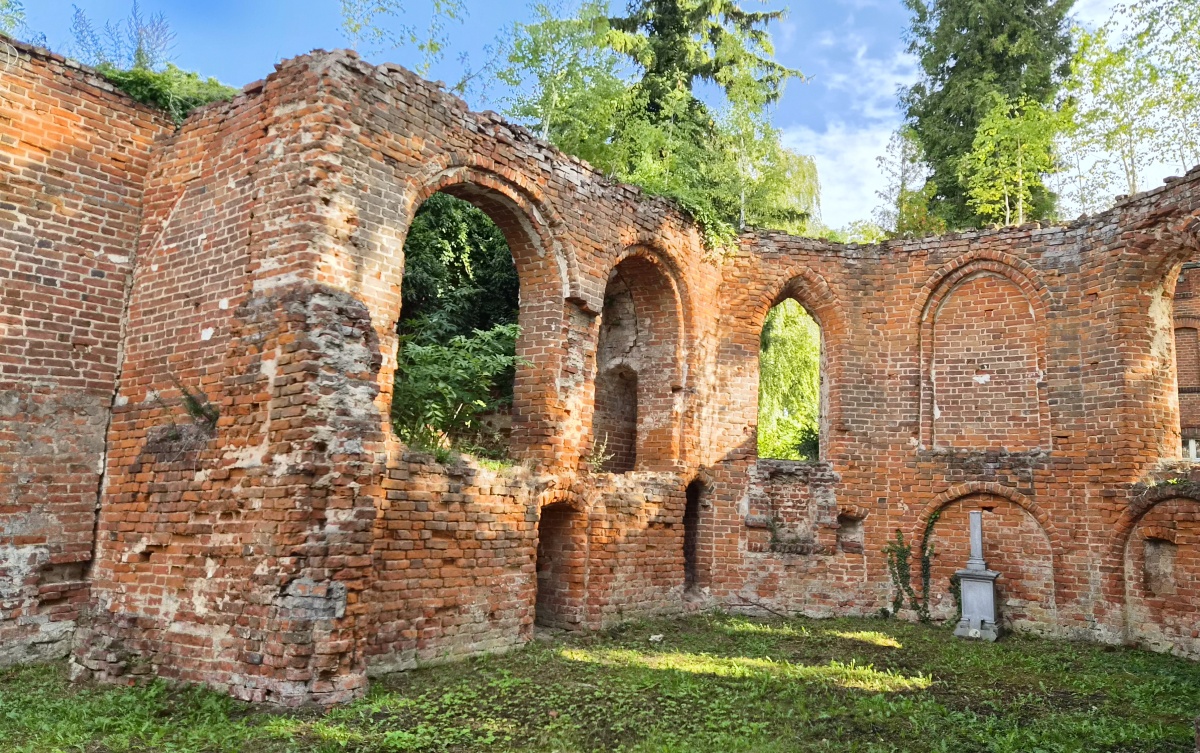
Ruins of a 14th-century church in Boręty.

Wooden windmill in Palczewo, 18th century.

Arcaded house in Nowa Cerkiew, 1820.


Arcaded house in Gniazdowo, 19th century.

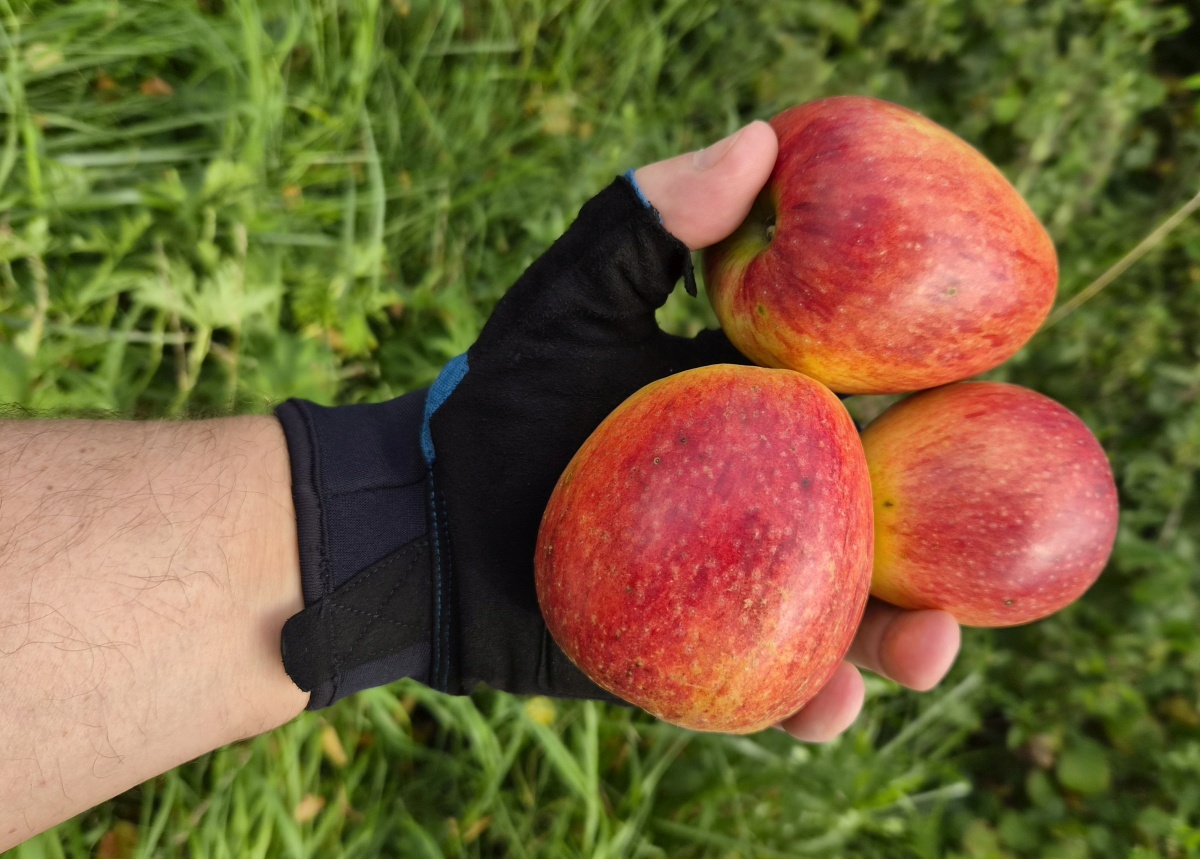
Roadside apple tree.

Arcaded house in Dworek.

Arcaded house in Dworek.
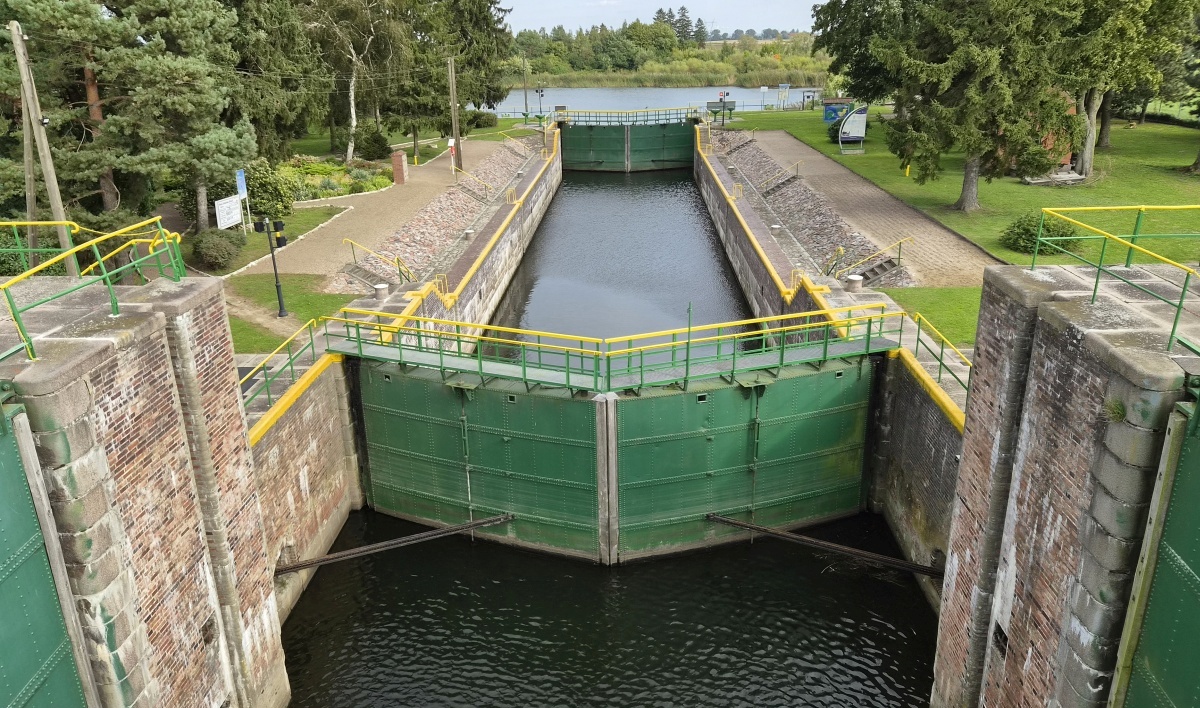
Lock separating the waters of the main Vistula channel from the waters of the Szkarpawa River.
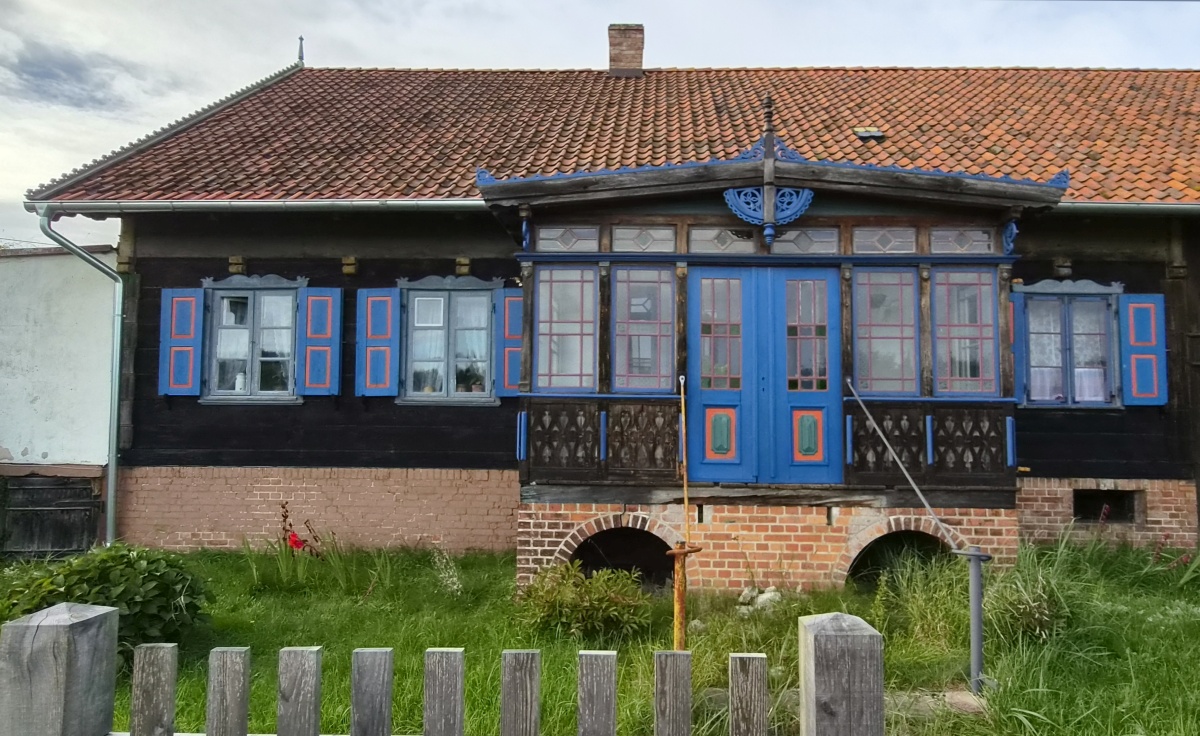
Roadside house in Drewnica.

Wooden windmill in Drewnica, 1718.

On the home stretch. Asphalt path on the flood embankment.

Ferry crossing the Vistula River from Mikoszewo to Świbno. In the background, the Vistula outflow to the Baltic Sea.